Welcome: Shandong Green Engineering New Materials Technology Co., Ltd.
Language:
 ∷
∷

∷
 ∷
∷
New technology of carbon neutralization in kiln system
——Waste plastics are used in the kiln head to partially replace the original fuel, which greatly reduces the CO2 emission. For white cement, the whiteness of clinker is greatly improved
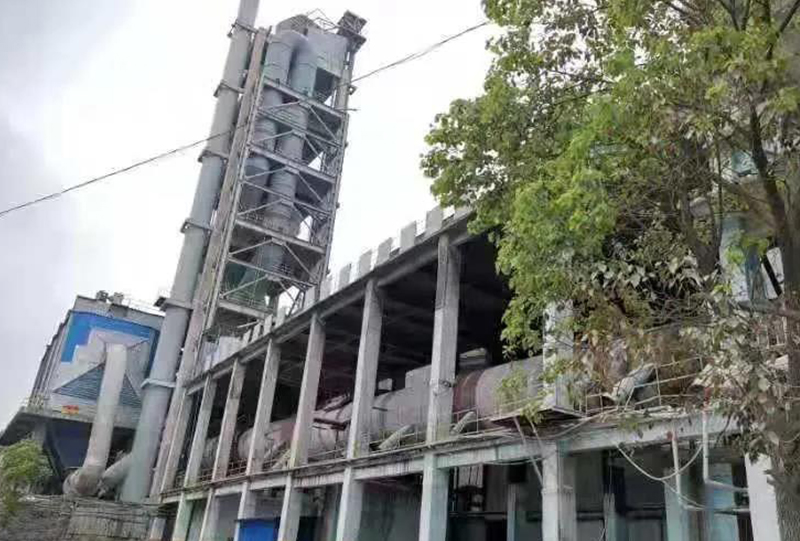
Waste plastics (a kind of refuse derived fuel, referred to as RDF, such as medical waste, packaging waste, plastic waste, etc.) are combustible organic compounds containing chloride ions, which have a certain calorific value. In the technology of collaborative processing hazardous waste fuels in common cement kilns in China, they are often burned and consumed together with other semi liquid wastes in the calciner. The combustion of RDF no longer generates carbon dioxide, but metal salts. Therefore, the partial replacement of carbon based fuels (such as coal, petroleum coke, natural gas, etc.) can greatly reduce CO2 emissions. In the traditional technology of cement kiln collaborative treatment of hazardous waste, RDF is not easy to be crushed very fine, so it can not be added into the kiln burner to participate in the calcination, only can be added into the kiln calciner, which reduces the use of RDF, that is, it is limited to replace carbon based fuel to reduce CO2 emissions.
In the calcination of white cement, chloride ion can react with CaO to produce CaCl2 (mineralizer) to reduce the calcination temperature, and can react with Fe2O3 at 740 ℃ to produce FeCl3, which is discharged (sublimated) with flue gas, so as to effectively improve the whiteness of clinker. For many years, technicians in white cement industry have tried to add chloride ions (such as NaCl, KCl, NH4Cl, etc.) into raw meal to improve clinker whiteness and reduce heat consumption. However, the sublimation temperature of NaCl, KCl and NH4Cl (sublimation below 650 ℃) is lower than the reaction temperature of Fe2O3 and chloride ions, so the chloride ions emitted have escaped before they can react with iron oxide, which not only can not effectively reduce iron oxide and improve whiteness, but also the excessive chloride ion enrichment leads to the blockage of flue gas chamber and preheater skin, which affects the production. For white cement, RDF combustion in calciner can release chloride ion and react with iron oxide, but because the combustion efficiency and combustion temperature in the calciner are not high enough, chloride ion and iron oxide can not react completely, so chloride ion will escape from the system. For this reason, it is necessary to add RDF into the burner at the kiln head to participate in the whole process of calcination reaction, to track and lock the iron oxide in the whole process and carry it out of the system in the form of ferric chloride gas, and to generate calcium chloride as mineralizer in the kiln to reduce the calcination temperature.
According to the above analysis, RDF can reduce CO2 emission for ordinary cement; For white cement, RDF can not only reduce CO2 emission, but also improve clinker whiteness. Obviously, if the addition of RDF in the kiln burner and the calcination in the kiln head can be solved, RDF will replace carbon based fuel to the maximum extent, and the whiteness of white cement clinker will be more fully guaranteed. This technology is based on this reason.
It is not easy for waste plastics to be calcined in the kiln burner: firstly, it is necessary to solve the problem that RDF enters the kiln burner with high momentum, which can no longer rely on the traditional mechanical crushing and physical transportation, but needs to liquefy RDF, and then inject it into the kiln burner through high-pressure atomization; Next, the reasonable burner process parameters should be designed so that the RDF can not be separated from the original fuel during combustion; In addition, the accumulation of ferric chloride and other chlorides in the kiln end will lead to the blockage of crust. Therefore, it is necessary to adopt the recyclable mode to solidify and release by-pass chloride ion without affecting the heat consumption; The bypass system needs to be quenched to prevent the formation of dioxins; Finally, it is necessary to accurately control the content of chloride ions into the clinker, so as not to affect the clinker quality.
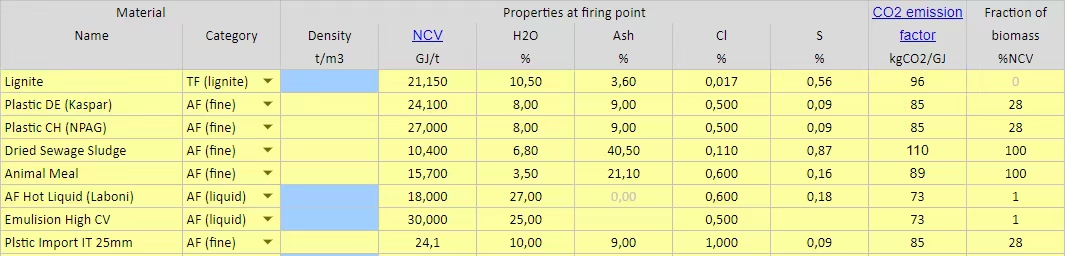
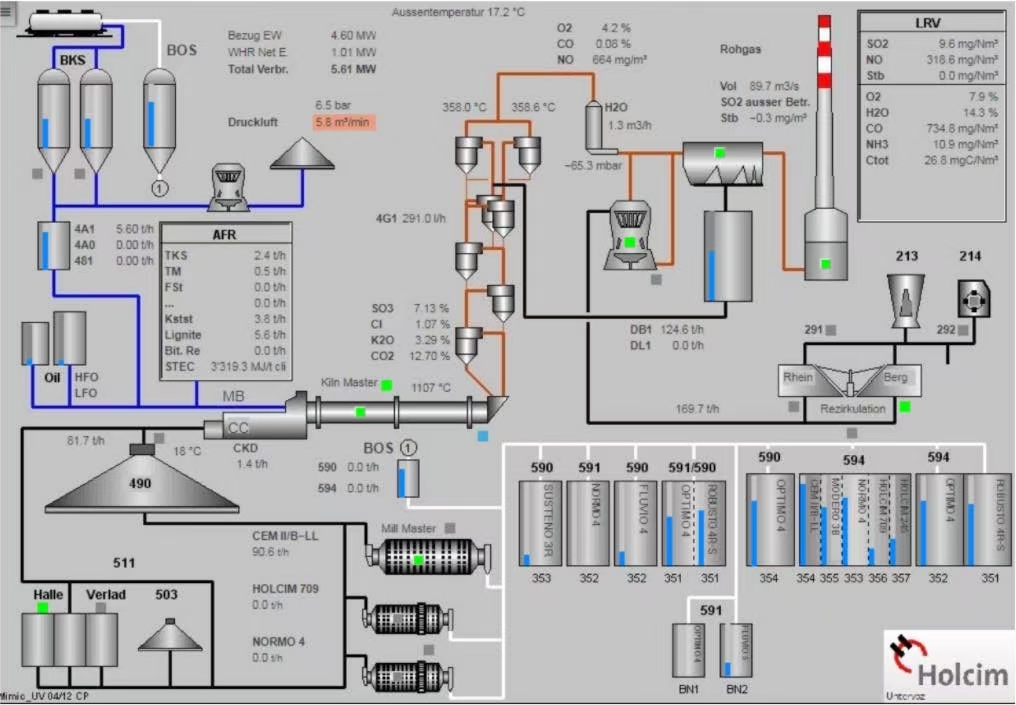
RDF enters the burner at the kiln head, and chloride ion takes part in the whole process of calcination to partially replace carbon based mineralized fuel. It is an effective measure to greatly reduce carbon dioxide emissions not only for white cement, but also for any thermal power enterprise. As long as the amount of chloride ion is well controlled, the clinker quality will not be affected. We have to say that this is a revolution in the field of new materials combustion, and we are on the way to realize it.
Shandong Green Engineering New Materials Technology Co.,Ltd
Company website: www.lgxcltech.com
Email: gudaofa@163.com
Wechat:gudaofa
Contact: gudaofa
Phone: +86 18353360679
Tel: +86 13953348649
Email: gudaofa@163.com
Add: Room 1109, Block B, Runde Building, No. 6, Xinhuan East Road, Mashang Street Office, Zhangdian District, Zibo City, Shandong